As a business owner, you don’t have time for unexpected roofing problems. You need your business operations to proceed smoothly, with minimal downtime. You also need to protect your investment and ensure your commercial facility doesn’t suffer from the damage leaks and other roof problems can create.
Fortunately, there’s an easy way to spot small issues before they become major problems: have commercial roofing inspections performed on a regular basis.
We’ll explain everything you need to know about commercial roofing inspections below, including the benefits they provide and some of the signs that should prompt you to schedule one immediately.
What Is a Commercial Roofing Inspection?
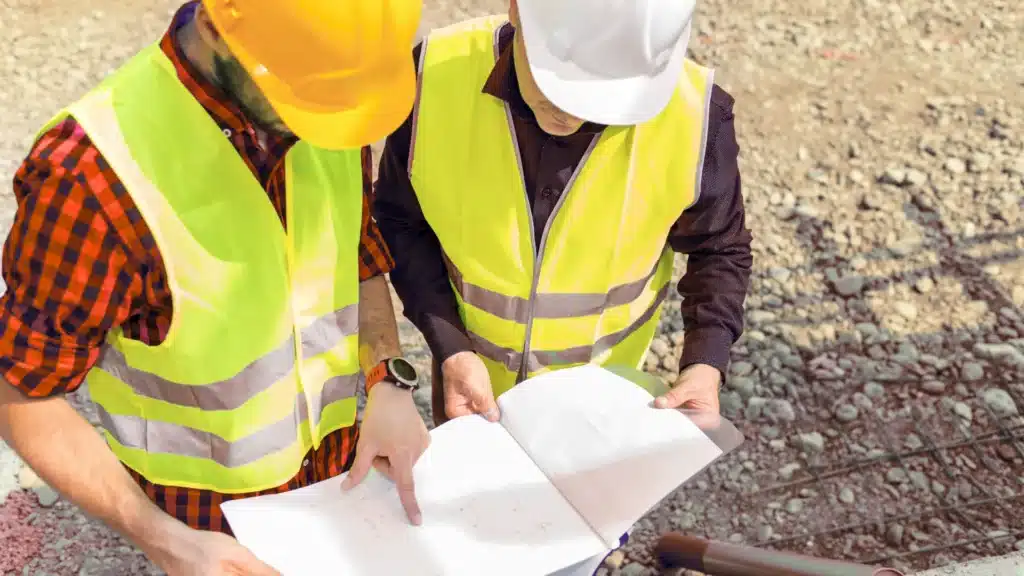
Commercial roofing inspections are detailed examinations of your business’s roof system, carried out by a trained and experienced commercial roofing professional. They’re designed to assess the current state and condition of your roof, identify any existing or potential problems, and determine whether repairs, maintenance, or replacement are needed.
Far more than a quick, surface-level glance, a true commercial roof inspection examines your entire roof.
It should include an examination of all the major roof system components, including the membrane, flashing, drainage components, roof penetrations, and structural elements. An inspection of the building’s interior should also be included, so that the roofing professional can look for signs of leaks or moisture intrusion.
The Benefits of Commercial Roofing Inspections
In addition to the simple peace of mind regular commercial roofing inspections offer, they also provide a number of tangible benefits, including:
- The ability to catch problems early. Minor issues, including membrane punctures, loose flashing, and slow drainage, can be identified and corrected before they turn into major leaks or cause structural damage.
- An extended roof lifespan. By having regular inspections conducted and carrying out repairs in a timely fashion, you can maximize the life expectancy of your commercial roofing system and protect your investment.
- Reduced long-term repair costs. Proactive maintenance and repairs are generally significantly less expensive than emergency repairs or complete roof replacements, helping you save money over the long term.
- Improved energy efficiency. By addressing things like damaged insulation, seam separation, or air leaks, you can improve the thermal performance of your roof and enjoy greater comfort and reduced energy costs.
- Fewer business disruptions. Regular inspections help you avoid leaks and structural failures that can grind your operations to a halt, lead to damaged inventory, and create unsafe working conditions for your staff.
- Compliance with warranty requirements. Many manufacturer warranties require routine inspections and documented maintenance to remain valid and ensure you’ll be compensated if the roof fails prematurely.
- Improved roof drainage. By identifying things like clogged drains, ponding water, and slope issues, you can often avoid long-term water damage, membrane deterioration, and leaks from forming.
- Documentation for insurance purposes. It’s important to document the condition of your roof before a problem occurs, and professional inspection reports provide documentation for insurance claims and risk management.
- Improved budgetary planning. Inspection reports give business owners and property managers advance notice of upcoming repairs or replacement timelines, making it easier for you to plan and manage your cash flow.
What’s Included in a Professional Commercial Roof Inspection?
As we mentioned earlier, a proper commercial roof inspection entails a lot more than just a quick glance; it is a comprehensive assessment of your roof’s current condition, potential problems that are likely to surface, and maintenance you’ll need to have conducted in the near term.
Whether you have a PVC, TPO, EPDM, standing seam metal, or modified bitumen roof, you’ll want your commercial roofing specialist to carry out the following steps when evaluating your roof:
- A roof membrane assessment. Your inspector should examine the surface and identify any punctures, cracks, separated seams, blisters, or places UV exposure has degraded the membrane.
- An inspection of the flashing. Commercial roof inspections should include an evaluation of the flashing near parapet walls, roof edges, curbs, and transitions to ensure watertight seals.
- An examination of all roof penetrations. Because they are common locations for leaks, your inspection should include an examination of the areas around HVAC units, vents, skylights, and pipes.
- A drainage system evaluation. You’ll want your roofing professional to examine all roof drains, scuppers, gutters, and downspouts for clogs, damage, or improper slope angles.
- An analysis of the roof’s slope. It’s important that your roof’s slope is assessed and any areas of ponding water are identified, so that grading or drainage corrections can be made if needed.
- A structural review. The inspector should look for sagging roof sections, soft spots, or signs of deterioration that may indicate trapped moisture or a compromised structure.
- Infrared moisture detection. Though not always needed, some commercial roof inspections will include infrared scanning or moisture detection tools to identify the presence of hidden water.
- An inspection of the building’s interior. Your inspector should check the ceilings, attic spaces, and interior walls for signs of water intrusion, mold, or insulation damage.
- An examination of the sealants and fasteners. You’ll want your inspector to examine all exposed fasteners, sealants, and adhesives for signs of deterioration.
It’s also important to note that your commercial roofing partner won’t simply share these findings and conclusions verbally; he or she should provide you with a written report, including photos and any recommended repairs or maintenance steps needed.
How Often Should a Commercial Roof Be Inspected?
Commercial roofing inspections should be scheduled regularly to give you the best chance of spotting small problems early, when minor repairs are still possible. This can help reduce the chances of needing extensive (i.e. expensive) repairs or a full roof replacement.
So, as a general guideline, most commercial roofing experts recommend having an inspection performed once every six months. However, if your roof is more than about 15 years old, you may need to have inspections performed more frequently, as older roofs can begin breaking down very quickly.
Additionally, you’ll always want to have your roof inspected following major storms or severe weather events, and a few months before your warranty coverage expires.
Signs Your Commercial Roof Needs Immediate Inspection
In addition to scheduling a roof inspection every six months or so, it’s also important to have an inspection conducted anytime you notice a few important issues:
- Active leaks: Leaks — even those involving a minimal amount of water — are always a sign that you need an immediate roofing inspection.
- Interior wall stains: Ceiling discoloration, bubbling paint, and stained walls often indicate that your roof is already suffering from a hidden leak.
- Ponding water on the roof: Standing water that remains for 48 hours or more following rain can weaken roofing materials and lead to membrane deterioration.
- Visible membrane damage: Cracks, punctures, seam separation, and blistering are all signs your roof may be damaged and require repairs.
- Damaged flashing: The flashing around your building’s vents, skylights, and HVAC unit are some of the most common failure points.
- Soft spots on the roof surface: Areas that feel spongy or sag visibly may be suffering from trapped moisture or structural problems.
- Clogged or overflowing drains: Blocked drainage systems can quickly lead to water ponding, moisture intrusion, and long-term damage.
- Rising energy bills: Unexpected increases in heating or cooling costs may signal insulation damage or air leaks within the roofing system.
- Mold, mildew, or musty interior odors: Persistent moisture intrusion can create indoor air quality issues and even trigger health problems.
- Recent severe weather: It’s always a good idea to have your roof inspected for hidden damage following strong winds, hail, or snow.
In addition to these specific signs, it’s also a good idea to have your roof inspected promptly if it is more than 10 years old and hasn’t been inspected within the last 12 months. This is important because aging commercial roofs are more vulnerable to material degradation and seam failure than new roofs are.
Commercial Roofing Inspections: FAQ
Still have questions about commercial roof inspections? We’ve rounded up a few of the most common questions our clients have and answered them below.
What is the 25% rule in roofing?
The 25% rule, adopted in many jurisdictions under the International Building Code (IBC), states that if more than 25% of a roof section is repaired or replaced within a 12-month period, the entire section may need to be replaced.
How much should I pay for a commercial roof inspection?
The exact price you’ll pay for a commercial roof inspection varies depending on a variety of factors, including the building size, the inspection methods involved, and the overall complexity of the project. With that said, most inspections will cost between $300 and $800. For larger jobs, prices are often set based on the size of the roof, with typical rates falling in the $0.15- to $0.75-per-square-foot range.
Can I do a commercial roof inspection myself?
Business owners may be able to spot obvious problems by walking around on the roof, but they’ll likely miss the kinds of subtle signs that commercial roofing inspectors are trained to notice.
How long should a commercial roof inspection take?
The time it’ll take to complete a commercial roofing inspection will vary based on the size of the roof and the techniques the roofing contractor employs during the inspection. Generally speaking, most commercial roof inspections take between 45 minutes and three hours.
Do commercial roof inspectors enter the building?
Yes, commercial roof inspectors will enter your building and look for signs of leaks or moisture infiltration.
Is a commercial roof inspection worth it?
Absolutely — commercial roof inspections can allow you to identify minor problems and have any necessary repairs completed before significant damage occurs.
How often is a commercial roofing inspection necessary?
Generally speaking, you’ll want to have a commercial roofing inspection carried out every six months and following storms or severe weather events.
Trust Cherry Town Commercial Roofing for Your Inspection
Scheduling regular commercial roofing inspections is important, but it’s also important that you select a roofing professional who has the experience, dedication, and expertise to spot the subtle signs of a problem. That’s exactly what you get when you rely on the team at Cherry Town Commercial Roofing.
With deep local roots and more than 30 years of industry experience, we understand the unique challenges commercial roofs face in Northwest Michigan. We’re committed to providing the kind of commercial roof inspections local business owners need to catch problems quickly, prevent operational disruptions, and avoid costly roof repairs.
Contact us today and schedule your inspection with the commercial roofing team that Traverse City business owners trust.
Sources & References
- Procore – “Commercial Roof Inspections: Common Issues & Best Practices”
Comprehensive article from Procore outlining what commercial roof inspections involve, typical issues found, various inspection types, and practical advice for preparing and conducting effective inspections.
https://www.procore.com/library/commercial-roof-inspection - National Roofing Contractors Association – “Roofing Guidelines”
Technical resource from the National Roofing Contractors Association providing industry standards, installation guidance, and reference materials used by professionals for designing, inspecting, and maintaining roof systems.
https://www.nrca.net/roofing-guidelines - EagleView – “Commercial Roof Inspection”
Informational page from EagleView describing commercial roof inspections, their purpose and process, and the role of aerial imagery and technology in supporting accurate condition assessment and planning.
https://www.eagleview.com/roofing/commercial-roof-inspection


