
Commercial roofs in Michigan certainly take quite a beating.
They need to be capable of withstanding everything from lake-effect snow and freezing winters to humid summers and the occasional storm with strong winds. Conditions like that call for a roofing system that’s durable, energy-efficient, and cost-effective over the long run.
That’s one reason TPO has become a popular roof choice for commercial buildings across the Great Lakes State.
So what is TPO roofing, and why does it perform so well in Michigan’s four distinct seasons? Let’s take a closer look at how it works, how it’s installed, and what to consider before choosing it for your property.
What is TPO Roofing?
Thermoplastic polyolefin roofing (often abbreviated as TPO roofing) is a single-ply membrane system made from a combination of rubber and polypropylene.
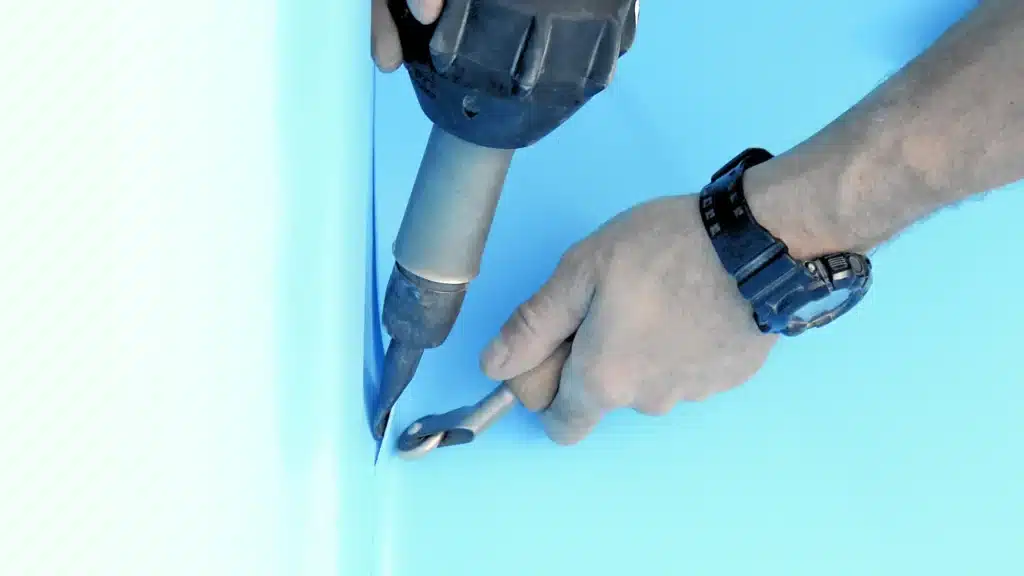
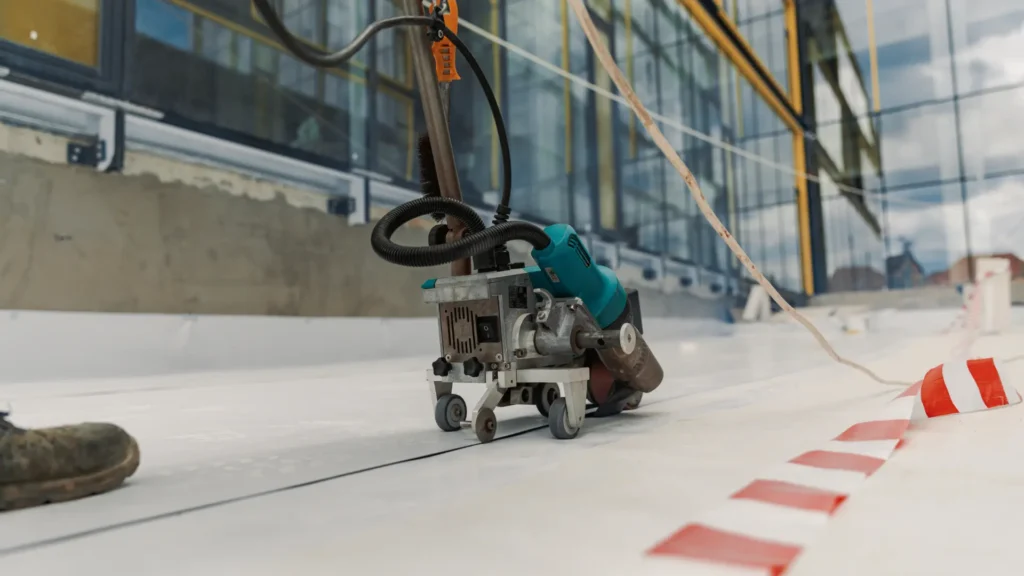
Instead of individual shingles, it comes in rolls that are spread across the roof surface and either mechanically fastened or fully adhered. The seams between sheets are heat-welded, creating a continuous, watertight bond that is typically stronger and more reliable than glued seams.
TPO roofing is best suited for flat or low-slope roofs and is commonly used on large commercial structures such as warehouses, retail stores, hospitals, and office complexes.
Most TPO roofing membranes are white or light colored, allowing them to reflect most of the sunlight they receive. This helps keep buildings cooler during warmer months and improves overall energy efficiency.
Components of a TPO Roofing System
While TPO is a single-ply membrane, it’s part of a layered roofing system designed to provide structure, insulation, drainage, and protection. Each component has a role in creating a durable, lasting roof.
1. Roof Deck
The roof deck provides a stable base for installing insulation and the membrane, making its strength and condition critical to the roof’s overall performance.
Roof decks are commonly made of:
- Steel
- Wood
- Concrete
- Gypsum
Before TPO installation can begin, contractors must inspect the deck to ensure it is structurally sound.
2. Insulation Layer
Insulation sits above the roof deck to improve energy efficiency and maintain consistent indoor temperatures. In colder climates like Michigan, proper insulation thickness is especially important for keeping buildings comfortable and reducing heating costs during winter.
Some systems also include a cover board above the insulation to provide an extra layer of protection against punctures and heavy foot traffic, helping extend the roof’s lifespan.
The most common insulation material used in TPO systems is polyisocyanurate (ISO) boards.
3. TPO Membrane
The TPO membrane is the roof’s primary moisture barrier. It is rolled across the insulation in large sheets and heat-welded at the seams to create a watertight seal.
Because the membrane is directly exposed to sunlight, weather, and foot traffic, its thickness plays a major role in durability. TPO membranes come in several thicknesses, including 45 mil, 60 mil, and 80 mil.
Most commercial buildings opt for a minimum thickness of 60 mil for increased durability and longevity.
4. Flashing and Edging
Edging and flashing protect the most vulnerable areas of the roof, including the edges, penetrations, and transitions. Together, flashing and edging guide water toward the drainage system and prevent it from seeping beneath the membrane.
Flashing is installed around HVAC units, pipes, drains, and skylights, and sealed using compatible TPO materials that can be heat-welded directly to the membrane for seamless protection.
Roof edging is usually made of metal and is installed around the perimeter. It secures the membrane and protects against wind uplift and water infiltration.
The Six-Step TPO Installation Process
Proper installation is essential to the longevity of any roofing system. While every project is unique, most TPO roofing systems follow a similar, six-step installation process.
1. Roof Preparation
Your roofing contractor will begin by inspecting the roof deck and repairing any damage. Depending on local building codes and the condition of the existing roof, the old roof may either be removed or prepared for an overlay.
2. Insulation Installation
Insulation boards are installed over the roof deck and secured using mechanical fasteners or adhesives. In some cases, the insulation may be tapered to prevent water ponding and promote proper drainage.
3. Placing the Membrane
Following insulation installation, TPO membrane sheets are rolled across the roof surface. Installers carefully position the sheets to maximize roof coverage, minimize seams, and maintain adequate drainage.
4. Attaching the Membrane
The method used to attach the membrane to the roof varies by project, but generally, it’s mechanically fastened with screws and plates or fully adhered with specialized adhesives. Less commonly, the membrane may be attached with gravel or pavers in a process called ballasting.
5. Heat-Welding of Seams
The seams are fused together at this point using hot-air welding equipment that exceeds 1,000 degrees Fahrenheit. The extreme heat softens the membrane’s edges and combines them under pressure, forming a seal that’s stronger than adhesive-closed seams.
6. Final Detailing
Flashing and edging are installed to seal penetrations and secure the roof perimeter. Your contractor may also install TPO walkway pads in high-traffic areas to protect the membrane from wear.
Maintaining a TPO Roof in Michigan
Even the most durable roofing systems require routine maintenance. Fortunately, TPO roofs are relatively easy to maintain, and only require that you:
- Regularly clear debris from the roof. Leaves, branches, and debris can clog drains and trap moisture on the roof’s surface, leading to water ponding. Keeping the area clean helps maintain proper drainage and prevents damage.
- Inspect the surface following severe weather. Michigan storms can bring heavy snow, high winds, and hail. Inspecting the roof after major weather events allows you to spot damage early.
- Limit the amount of foot traffic on the roof. Maintenance crews often need roof access, but excessive foot traffic can damage the membrane. If heavy foot traffic is unavoidable, consider having walk pads installed.
- Have a professional inspection conducted annually. An annual professional roof inspection by a TPO expert can identify potential problems before they necessitate expensive repairs.
The Benefits of TPO Roofing for Commercial Buildings in Michigan
TPO roofing is a popular option for commercial property owners because it offers a combination of performance, efficiency, and affordability. It’s also uniquely suited for the demands of flat or low-slope roofs that are common in commercial spaces.
Key TPO roofing benefits that make them well-suited for commercial applications include:
- Cost-Effective: TPO roofing often costs less than other commercial roofing systems, and the quick installation process can reduce labor costs.
- Energy Efficient: The reflective surface of most TPO membranes reduces heat absorption into the building, reducing cooling costs.
- Eco-Friendly Features: Many TPO membranes are sometimes recyclable and don’t contain hazardous plasticizers.
- Chemical Resistance: TPO resists grease, oil, and some chemicals, making it a good fit for restaurants and some kinds of industrial facilities.
- Strong Seams: TPO’s heat-welded seams create a durable, waterproof barrier that is less likely to fail than adhesive seams.
- Impressive Longevity: When properly installed, maintained, and regularly inspected, TPO roofs can last 20 to 30 years.
Potential TPO Roofing Drawbacks
TPO roofing has plenty of upsides, but there are limitations worth noting, including:
- Quality Variations: As with any product, not all TPO membranes are equal. Product quality can vary by manufacturer, making it essential to select a reputable roofing contractor who understands the industry.
- Installation Concerns: Improper installation can lead to seam leaks or drainage problems. Professional roofers with proper training and TPO experience are critical for the product’s long-term success.
- Puncture Risk: While typically considered a durable roof covering, TPO membranes can be punctured by sharp objects, heavy equipment, or even the impacts created by severe hail.
- Heat & UV Exposure: While less of a concern in Michigan compared to some other locations, prolonged exposure to intense heat or UV rays can break down the TPO membrane and make it brittle.
Three Reasons TPO Roofing Works Especially Well in Michigan
Michigan’s weather can be as tough as its people. Temperatures swing from below zero in the winter to above 90 in the summer, and heavy snow, ice, and wind are common.
TPO is uniquely suited to our state’s weather woes for three important reasons:
- It remains flexible in cold weather. Some materials become brittle in extreme cold, but TPO remains flexible, allowing it to expand and contract without cracking.
- Its seams are very strong. Michigan’s frequent snow and rain make watertight seams essential. Heat-welded seams provide reliable moisture protection.
- It is an energy-efficient option. Reflective TPO membranes reduce heat absorption during summer, preventing indoor temperature spikes and reducing cooling demands.
While strong and relatively weather-resistant, regular inspections remain important for maximizing your roof’s lifespan in Michigan’s demanding climate.
Choosing a TPO Roofing Contractor in Michigan
Even the best roofing material is only as good as the contractor installing it. TPO roofing systems are no exception, and due to the delicate nature of the installation process, it’s critical that you seek a team of certified, experienced installers.
When evaluating roofing companies, look for an organization that has:
- Years of experience installing TPO roofing systems
- Installer certifications from major manufacturers
- A warranty program that’ll cover installation issues
A reputable contractor should be able to provide these details and offer a clear proposal that outlines the materials, installation methods, and warranty coverage offered.
FAQ: TPO Roofing in Michigan
TPO roofing systems are certainly different from typical shingle roofs, so it’s natural to have questions. We’ve gathered and answered the most commonly asked questions for you.
What is TPO roofing?
Thermoplastic polyolefin (TPO) roofing is a single-ply membrane roofing system commonly used on flat and low-slope roofs. It consists of large sheets made from a specialized blend of polypropylene and rubber that are heat-welded together to form a watertight seal.
How long does a TPO roof last in Michigan?
A professionally installed and well-maintained TPO roof generally lasts between 20 and 30 years. The roof’s lifespan depends on the membrane thickness, installation quality, insulation design, and adherence to routine roof maintenance.
What are the benefits of TPO roofing?
TPO roofing has several advantages over other types, including weather-related perks like durable leak protection and resistance to UV rays and chemicals, as well as cost-saving benefits like an energy-efficient reflective service and lower labor costs during installation.
Is TPO roofing good for Michigan’s climate?
Yes. TPO performs well in Michigan because it can withstand the region’s cold winters, heavy snow loads, and freeze-thaw cycles. Unlike other materials, it remains flexible in extreme cold instead of becoming brittle, while the heat-welded seams keep water out, preventing leaks from melting snow and standing water.
How much does a TPO roof cost in Michigan?
TPO roofing costs between $6.00 and $17.00 per square foot in Michigan, including materials and installation. This figure depends heavily on the size and complexity of the project, along with the materials used.
How often should a TPO roof be inspected?
A TPO roof should be inspected at least once per year and after major storms. Regular checks help catch small issues like seam separation, punctures, or draining problems before they become costly repairs.
TPO Roofing: Is It Right For You?
With quality installation and routine maintenance, TPO roofing can provide decades of protection for your commercial structure while helping control energy costs.
In a state known for its unpredictable weather, having a reliable roofing system matters.
Considering TPO roofing for your commercial property? Give Cherry Town Commercial Roofing a call for a professional evaluation of your project to see if a TPO roofing system is the right fit for your structure and long-term goals.


