
A never-ending to-do list is just part of the gig when you own a commercial property. Not only do you have to manage your actual business, but you have to keep up with all of the maintenance, upgrades, and improvements your building needs to remain safe, comfortable, and inviting to employees and guests.
Unfortunately, this means some things tend to fall through the cracks — especially the roof of your building. It’s understandable; you rarely see the roof, and as long as water isn’t pouring on the floor, you probably don’t think about it much.
But that can be a mistake. Eventually, your roof is going to suffer from problems that either require repairs or a complete replacement. Property owners often realize this, but they wonder whether it’s more cost effective to have repairs made as they become necessary or to simply wait it out and replace the entire roof at a later date.
Fortunately, there’s a pretty clear-cut answer to this, which we’ll share below.
Preventative Maintenance or Complete Roof Replacement: Which Costs More?
We’ll go ahead and cut to the chase, before backing up and filling in all the details: It is much more affordable to have repairs completed as they’re needed (or even better, before they’re necessary) than it is to wait and replace the entire roof at once.
But to illustrate this, we need to consider a number of different factors.
How Much Does Ongoing Commercial Roof Maintenance Cost?
The exact costs associated with the ongoing maintenance for a commercial roof vary pretty significantly, depending on factors like:
- The age of your roof
- The size of your roof
- The roof type and material
- Accessibility to the roof
- The amount of foot traffic on the roof
- The local weather and climate
- The warranty requirements
However, given the fact that these factors will play a role in the exact costs you’ll face for on-going maintenance, the average costs for typical maintenance (annual inspections, debris removal, minor repairs, and seam sealing) will usually be in the $0.15 to $0.50 per square foot range each year.
In other words, you’d likely pay approximately $3,000 to $10,000 per year for typical commercial roof maintenance for a 20,000 square foot building.
How Much Does a Complete Commercial Roof Replacement Cost?
Now that we know how much ongoing maintenance will cost, we can compare that with the costs associated with complete roof replacement for a commercial structure.
Once again, there are a myriad of factors that’ll influence the total cost — especially the type of roof and the materials used.
For example, single-ply membrane roofs (such as TPO, EPDM, or PVC) often cost about $5.00 to $10.00 per square foot. Modified bitumen roofs are in the same price range, but metal roofs can be more expensive and cost as much as $14.00 per square foot in some cases.
This means that a new commercial roof for a 20,000 square foot building would likely cost between $100,000 and $280,000(!).
An Important Consideration: Costs Incurred Over Time
As you can see, the costs of proactive roof maintenance are significantly lower than the cost of full replacement. But that’s not the entire picture; after all, you don’t have to install a new roof every year. So, some may think that the costs of ongoing maintenance will eventually exceed the costs of replacement when multiplied over the lifespan of the roof.
But they’d be wrong.
The total maintenance costs for a TPO roof across a 20-year lifespan would be on the order of $60,000 to $200,000 (for a 20,000-square-foot building). This means that you may save somewhere in the $40,000 to $80,000 ballpark by spending money on ongoing maintenance versus complete replacement.
That’s definitely a win, but it still misses one key point: By having the roof maintained proactively, the roof will last longer — potentially 50% longer.
So, let’s say you purchase a new $100,000 roof for your 20,000-square foot facility today, and start paying $5,000 per year for maintenance. You’ll spend about $100,000 over the next 20 years maintaining it. But at the end of this time period, your roof may last for an additional 10 years, as many well-maintained commercial roofs last for 30 years or more. Even adding another $50,000 for ongoing maintenance over the next 10 years, you’ll have spent $200,000 over a 30-year period and enjoyed a premium roof the entire time.
On the flip side, if you don’t pay for the maintenance costs, your roof is only likely to last about 10 years. So, you’ll be cutting a $100,000 check three times across the same 30-year period for a total of $300,000 — 50% more than you’d pay for a single roof and proactive maintenance.
And don’t forget, because the roof will be rapidly declining during this time, you’ll have to contend with inflated energy bills, leaks, and reduced curb appeal.
The Hidden Costs of Neglect
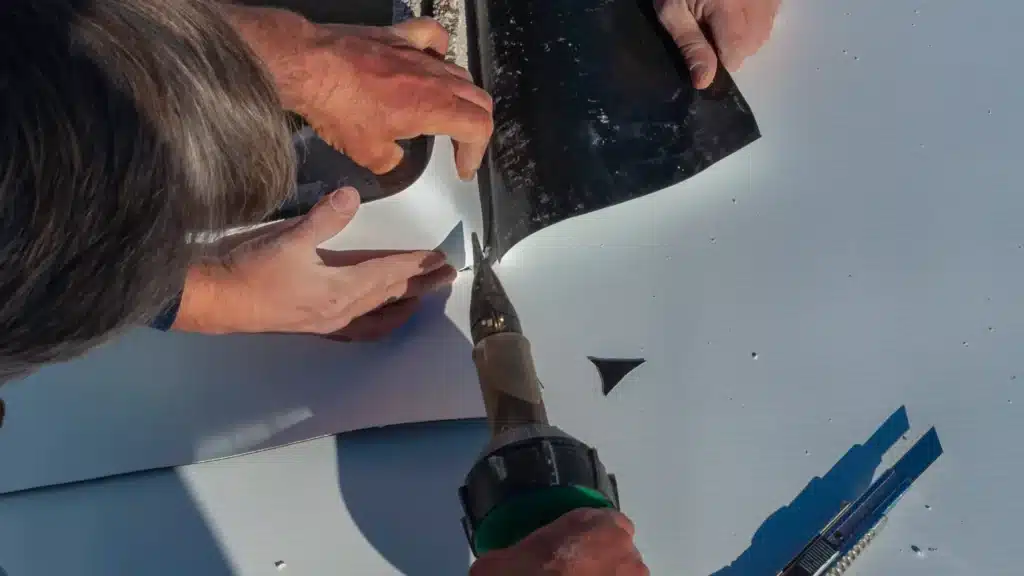
There’s another factor to consider when trying to calculate the value of preventative maintenance: Neglected roofs often develop structural damage, which may double or triple the cost of a roof replacement down the line.
As an aging roof starts developing problems, it’ll place the entire structure at risk of leaks (especially if water ponding starts to occur on the roof). When this moisture makes its way into the structural components of the building, it will not only deteriorate the wooden components, but it may also lead to mold and mildew growth. This will not only create additional repair costs, but it represents a health hazard for your employees and visitors.
On the other hand, proactive roof maintenance helps to prevent leaks from occurring in the first place. This way, when you do eventually need the roof replaced, you won’t have to worry about the costs of structural repairs or mold remediation.
What Does Preventative Maintenance Include?
“Preventative maintenance” can mean a lot of different things, depending on the specifics of your roof and the roofing contractor you hire to perform it. However, high-quality preventative roof maintenance plans should include the following:
Full Roof Inspection
Preventative maintenance begins with a comprehensive roof inspection — not a simple glance from the parking lot. It should include an inspection of the entire roof surface, checking for damage, punctures, cracks, or membrane wear. The seams, flashing, joints, and transitions should also be inspected to identify any deterioration or separation.
The inspector should also look for signs of ponding water or drainage issues that could lead to leaks.
Debris Removal
Though it seems simple, routine debris removal is an important step in protecting your roof and preventing more serious problems from occurring. So, the roofing contractor should take the time to clear leaves, branches, dirt, and trash from the roof surface.
Additionally, he or she should ensure all of the roof drains, scuppers, and gutters remain unclogged to prevent water backup.
Sealant & Flashing Repairs
One of the most important steps for preventing leaks (and the subsequent damage leaks can cause), re-sealing the roof, is always an important component of a comprehensive roof maintenance package. The contractor should also reinforce the flashing around roof penetrations, including the vents, HVAC units, and skylights.
It’s also important that the technician touches up any deteriorated sealant joints observed to maintain the integrity of the roof and ensure the surface is waterproof.
Minor Patching
While major patches are not always covered with preventative maintenance agreements, most should include the repair of small punctures, tears, or blisters in the membrane. These types of repairs are crucial for stopping leaks and other problems before they become significant enough to cause structural damage.
Roof Component Inspection
In addition to a comprehensive roof surface inspection, your roofing technician should also check any rooftop equipment present (such as HVAC units or vents) for leaks or damage affecting the roof. He or she should also verify the integrity of things like walk pads, railings, and roof hatches.
These steps not only help identify potential problems before they can cause significant damage, but they’re crucial for safety compliance.
Documentation & Reporting
Though sometimes overlooked by unprofessional roofing contractors, documentation is a crucial component of an overall roof maintenance package. Minimally, your contractor should provide a detailed report outlining current roof conditions following every inspection. He or she should also recommend any proactive repairs that are necessary to avoid major future costs.
It’s also important to note that your roof warranty may require regular inspections and preventative services, and the reports and documentation provided by your contractor will help satisfy these requirements.
Optional Preventative Maintenance Included with Some Plans
While the steps outlined above should be included with virtually every comprehensive roof maintenance package, there are also services that may be offered for additional fees or included in some service agreements. A few common ones include:
- Infrared moisture scans can detect leaks hidden beneath the membrane before they appear on ceilings or walls, thereby preventing major structural damage before it occurs.
- Roof cleaning treatments for algae or mold can not only improve the roof’s appearance but also reduce the kind of membrane degradation that organic growths can trigger.
- Recoating services are essential for SPF or metal roofs, as these coatings restore the waterproof barrier and reflectivity, which helps protect the underlying structure from UV damage and corrosion.
What Happens If You Skip Preventative Maintenance?
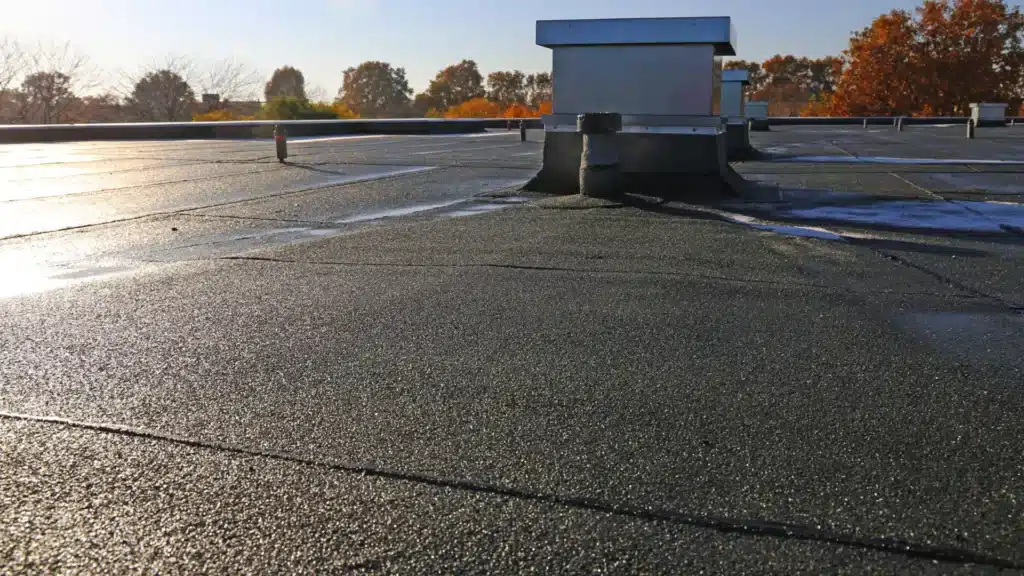
It’s easy to assume you’re saving money by forgoing roof maintenance, but in reality, neglecting your roof can lead to a variety of problems. A few of the most common issues that can arise in poorly maintained roofs include:
- Hidden Leaks: Small punctures or membrane separations can easily allow moisture infiltration, which may in turn lead to insulation saturation and deck deterioration.
- Structural Damage: Persistent leaks are essentially guaranteed to cause the roof decking to rot, and metal components may also rust, compromising the roof’s integrity.
- Mold and Mildew Growth: Water leaks encourage mold growth and lead to poor air quality, which creates health hazards for employees and visitors.
- Voided Warranties: Most roof material manufacturers and roof installation contractors require proof of regular maintenance to keep warranty coverage valid.
- Higher Energy Bills: Damaged roofs cannot provide the kind of insulation that roofs in good condition can, which may increase your heating and cooling costs.
- Emergency Repair Costs: The kinds of reactive repairs that are necessary after a major leak are always more expensive than maintenance tasks completed proactively.
In a worst-case scenario, an unmaintained roof may fail prematurely, requiring replacement years or even decades earlier than a well-maintained system. This once again highlights the importance and value that proactive roofing maintenance can provide to commercial property owners.
Cherry Town Commercial Roofing: Michigan’s Preferred Commercial Roofers
Whether you’re in need of proactive roofing maintenance and repairs or you need a complete tear-down and replacement, Cherry Town Commercial Roofing is ready to provide the commercial roofing services you need. Our team of roofing experts will be happy to inspect your roof, outline the repair services you need, and provide you with an itemized estimate.
Contact us today to see the Cherry Town Commercial Roofing difference and learn why so many other Michigan businesses have trusted us to solve their roofing problems.


